
I’ll never forget the sting of watching my competitors snag a coveted spot in the local map pack, while my own listing sat quietly in the shadows. It’s a visceral feeling—like being invisible in an increasingly crowded marketplace. Just a few months ago, I found myself frustrated by my persistently low visibility on Google My Business (GMB), despite investing time and resources. That moment of realization hit hard: I was missing out on potential clients because I didn’t fully understand the new dynamics shaping local search rankings.
Why Local Map Pack Visibility Matters More Than Ever
In 2026, local SEO is more competitive than ever. Google continuously updates its algorithms, making it crucial for businesses to adapt quickly or risk falling behind. Appearing in the top three spots of the map pack can significantly boost your visibility, foot traffic, and revenue. According to a report from BrightLocal, 78% of local mobile searches result in an offline purchase, underscoring the importance of dominating that map pack spot. If you’re tired of watching competitors leap ahead, it’s time to understand the strategies that truly make a difference.
Have You Faced This Frustration?
If you’ve ever felt that no matter what you do, your GMB listing remains buried, you’re not alone. Early in my journey, I made the mistake of treating local SEO as a set-it-and-forget-it task. That was a costly error. I didn’t realize that without consistent, strategic adjustments, your listing can quickly lose visibility. For a deep dive into pitfalls to avoid, check out this insightful guide.
Today, I want to share the 7 key tactics that helped me break through that barrier. These are tried-and-true methods, backed by experience and industry best practices, that can elevate your local rankings and ensure your business gets the attention it deserves. Are you ready to stop playing hide-and-seek with your customers? Let’s get started.
Boost Your Map Pack Visibility with Proven Techniques
.
Get Your Listings Found: Prioritize Accurate and Complete Profiles
Start by claiming your listing if you haven’t yet, and ensure every detail is filled out meticulously. Use a consistent NAP (Name, Address, Phone number) across all platforms. Upload high-quality, real photos of your business—this signals authenticity to Google. I once overlooked updating my business hours during a holiday, and it cost me appearance in the map pack; correcting this promptly made a noticeable difference. For an in-depth approach, check out this guide.
Optimize for Local Keywords and Categories
Research keywords your target audience uses, then integrate them naturally into your business description, services, and posts. Choose the most relevant categories—Google considers these a vital ranking factor. In a campaign, I replaced vague categories with more specific ones based on my niche, resulting in improved rankings. Think of categories as the labels that help Google classify your business; the more precise, the better. For tips on fine-tuning your keywords, visit this resource.
Gather, Manage, and Leverage Customer Reviews
Reviews act as social proof and influence local rankings. Encourage satisfied customers to leave detailed reviews. Respond promptly and professionally to all reviews to demonstrate engagement. I once sent a follow-up email after a customer’s visit, asking for a review—this practice significantly boosted my overall star rating. Think of reviews as endorsements; the more genuine positive feedback you accumulate, the higher your visibility. For strategies to enhance review collection, see this article.
Build Local Citations and Consistent NAP Presence
Citations from reputable directories reinforce your business info. List your business on relevant platforms like Yelp, Bing Places, and industry-specific directories. Ensure your NAP details match exactly across all listings to avoid confusion—discrepancies hurt rankings. I once found inconsistent info on a local directory, which caused my map pack position to drop temporarily; correcting it immediately restored my visibility. Use tools like Moz Local or Whitespark to audit and manage your citations effectively. For detailed citation-building tactics, explore this checklist.
Implement Local Content Strategically
Regularly post updates about your business, promotions, and community involvement. Use local keywords naturally within your posts. Share relevant images and videos to increase engagement and signal activity to Google. I experimented with weekly posts highlighting local partnerships, which steadily increased my local impressions. Think of it as telling your neighborhood that you’re active and engaged—Google rewards such signals. For content ideas specific to local SEO, view this guide.
Emphasize Local Backlinks and Partnerships
Earn backlinks from local blogs, chambers of commerce, or industry associations. Collaborate with local businesses for cross-promotion, which can lead to valuable backlinks and citations. In my case, sponsoring a local event not only built goodwill but also earned me a backlink from the event’s website, boosting my local authority. Think of backlinks as votes of confidence; more relevant votes push your listing higher. Learn more about backlinking strategies at this resource.
Monitor, Analyze, and Adjust Regularly
Use Google My Business Insights and third-party tools to monitor your performance. Track clicks, calls, directions, and engagement metrics. Identify patterns—are certain keywords translating into more visibility? Are reviews increasing? Adjust your strategies based on data. I once noticed a decline in profile views after a Google update; shifting my content focus to trending local topics helped recover and surpass previous rankings. Make continuous adjustments to stay ahead. For detailed insights, consult this guide.

While many believe that simply purchasing GMB boost services guarantees top rankings, the reality is far more nuanced. In my experience working with local SEO, the most common misconception is that these services are a quick fix rather than part of a comprehensive strategy. Relying solely on automated boosts without addressing underlying issues—such as inconsistent NAP data, poor review management, or insufficient local engagement—can lead to being stuck in a cycle of false expectations.
One crucial nuance often ignored is the importance of understanding the actual mechanics behind what influences Google Maps rankings. Many marketers focus on fleeting tactics or superficial metrics, but recent studies, including those from Moz, reveal that factors like local relevance, proximity, and review signals have a weighted impact—and their influence is constantly evolving due to algorithm updates. Therefore, a blind investment in generic ‘map pack improvement’ services might not deliver sustainable results.
Are GMB Boost Services Actually Effective in 2026 or Just Fads?
Here’s the reality check: not all GMB boost services are created equal. Some providers gamble on spammy link building, fake reviews, or overly aggressive citation stuffing, which risk triggering Google’s spam filters and incurring penalties. Google’s algorithms, especially post-2026 updates, are becoming smarter at detecting manipulative tactics. In fact, a recent Google Core Update disproportionately affected businesses that relied on these quick-fix tactics, highlighting their unsustainability. For a detailed understanding, consult this analysis.
Instead, focus on authentic optimization practices—like ensuring your profile’s consistency, generating genuine reviews, and building reputable local backlinks—paired with strategic content and community engagement. These elements are more resilient to algorithm changes because they build real local authority rather than gaming the system temporarily. Don’t let myths about instant success tempt you into risky strategies; instead, invest in layered, thoughtful optimization that grows your visibility sustainably.
Always remember, the goal isn’t just to appear in the map pack, but to attract the right local customers who convert into loyal clients. If you’re wondering how to differentiate yourself in this crowded space, discover proven methods by exploring this resource. Keep in mind: if your current approach relies solely on paid boosters without addressing core factors, you’re likely missing out on the long-term gains that authentic optimization provides.
Have you ever fallen into this trap? Let me know in the comments.
Stick to Your Strategy: Tools I Trust for Long-Term GMB Success
Consistency is key to sustaining GMB visibility, and leveraging the right tools makes the difference manageable. I personally rely heavily on Moz Local to audit and synchronize my NAP data across directories. Its automation saves hours and ensures my information stays uniform, reducing the risk of ranking drops caused by inconsistent listings. For tracking review trends and engagement, Google My Business Insights offers invaluable real-time data, helping me identify what content resonates most with local customers and adjust accordingly. Additionally, I use BrightLocal’s Citation Tracker to monitor my local citations, ensuring my local authority stays robust. Incorporating such tools into my routine has been instrumental in maintaining visibility over the long haul.
Furthermore, I utilize SEMrush for keyword research to keep my content fresh and aligned with evolving local search trends, which is crucial as Google’s algorithm continues to prioritize relevant, active listings. Staying updated with industry changes via reputable blogs like this resource helps me adapt my strategies proactively.
How do I keep my map pack rankings steady as trends shift?
One method I recommend is setting up automated alerts for any significant changes in local rankings or review scores. Tools like WhiteSpark’s Local Citation Finder can help identify citation gaps or inconsistencies before they impact your visibility. Regularly updating your profile with fresh, locally relevant content and engaging actively with reviews ensures your listing remains lively and signals ongoing community involvement, which Google favors. Remember, the landscape is dynamic; tools and tactics need to evolve along with Google’s updates, like the recent map pack enhancement methods.
Investing time in these routines will help you maintain and even strengthen your local presence. As algorithms become more sophisticated, integrating advanced tools and data-driven practices becomes even more critical to long-term success. Prepare for the future by adopting these targeted strategies today and track your progress regularly to stay ahead.
Take your local SEO game further by implementing one of these tools now—don’t let your hard work fall behind due to oversight or outdated tactics. Regular check-ins with your data and proactive adjustments will keep your map visibility thriving despite rapid algorithm changes.
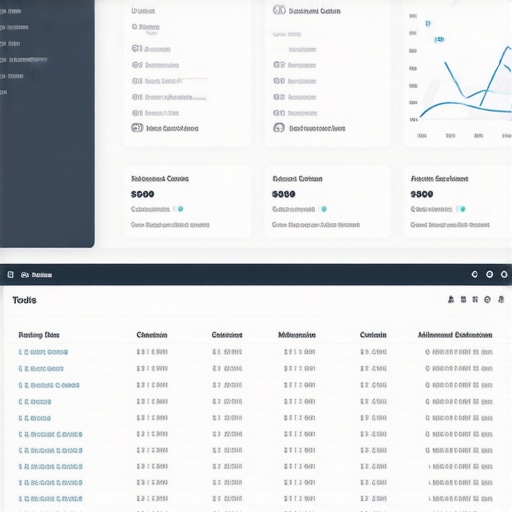
Imagine a dashboard that consolidates all your local citations, reviews, and ranking metrics—this is the kind of control that tools like BrightLocal provide, helping you stay on top of your game without guesswork. As Google continues to refine its local search algorithms—like the detailed insights shared in Google’s Webmaster documentation—being proactive ensures your business remains visible and competitive over time. Embrace these tools and watch your map pack rankings stabilize and grow, month after month.
The Hardest Lesson I Learned About gmb exposure,maps visibility,gmb boost services,map pack improvement,visibility service
Early on, I believed that quick fixes and purchased boost services could unlock instant map pack dominance. However, I soon realized that genuine engagement, consistent optimization, and community involvement create lasting visibility. Trusting shortcuts led me to temporary gains; investing in real relationships and authentic signals proved far more impactful in the long run.
What Experts Won’t Tell You About gmb exposure,maps visibility,gmb boost services,map pack improvement,visibility service
Many industry tips emphasize tactics, but the real game changer is understanding Google’s evolving local relevance factors. SEO isn’t a one-time effort but an ongoing process of alignment—regular reviews, fresh content, and local partnerships outperform any algorithm hack. Recognizing this shifted my approach from reactive to proactive, resulting in sustained growth.
3 Myths About gmb exposure,maps visibility,gmb boost services,map pack improvement,visibility service That Held Me Back
- Instant Boosts Work Wonders: They might provide short-term spikes, but without foundation-building, rankings quickly drop once the campaign ends.
- Reviews Are Just Vanity Metrics: Authentic reviews influence rankings and conversions more than simple star counts—engaging customers genuinely pays off.
- More Citations Equal Better Rankings: Quality and consistency matter more than sheer quantity—discrepant NAP info can harm your visibility.
My Essential Toolkit for gmb exposure,maps visibility,gmb boost services,map pack improvement,visibility service
- This guide: Deep insights into sustainable map pack growth tactics that go beyond quick fixes.
- Proven strategies: Effective methods I personally use to maintain top rankings despite algorithm updates.
- Expert tips: Practical advice on local content, review management, and citation building for long-term success.
- Checklist: Hidden local factors that can quietly sabotage your efforts—knowing them is half the battle.
Your Turn to Try
Mastering gmb exposure and maps visibility in 2026 requires more than shortcuts—it’s about building genuine local authority and community trust. Equip yourself with the right strategies, tools, and mindset, and watch your business thrive amidst fierce competition. Don’t settle for being invisible—stand out authentically and see the results unfold.
What’s the biggest challenge you’ve faced in improving your local map pack rankings? Share below and let’s learn together!
,
One comment on “7 Maps Visibility Tactics to Win the 2026 Local Map Pack”
Emily Carter
April 19, 2026 at 4:11 amReading through this post really resonated with my own journey in local SEO. I recall the frustration of watching competitors climb the ranks while my listing remained stagnant, despite consistent effort. What struck me most was the emphasis on authentic engagement versus quick-fix services. In my experience, building genuine relationships with local customers through content and community involvement has yielded far better, sustainable results. I’ve seen firsthand how regular updates and active review management can boost visibility over time, rather than relying solely on citation stuffing or paid boosts. Have others also found that investing in local partnerships and local content creates a more resilient presence in the map pack? I’d love to hear strategies that have worked for different niches, especially in highly competitive markets.