
I remember sitting at my desk late one evening, staring at my Google My Business dashboard, only to realize my supposed “visibility” had vanished overnight. The phone was silent, my rankings plummeted, and I felt a sinking doubt about the value of the services I was paying for. That lightbulb moment hit hard — how certain was I that my investment in these visibility services was actually delivering a real return, especially with the rapidly changing algorithms and AI filters in 2026?
Why It’s Time to Ask Hard Questions About Your Visibility Investments
In recent years, I’ve seen countless businesses fall into the trap of thinking that paying for map pack services guarantees consistent results. But with so many options promising quick wins, how can you be sure you’re not throwing money down the drain? The truth is, not all visibility services are created equal, and many can become outdated as Google updates its algorithms. Since 2024, experts have emphasized that relying solely on traditional methods without regular assessments can leave your local SEO efforts flatlining, or worse, harming your rankings. Indeed, a study from BrightLocal shows that 78% of local mobile searches result in an offline purchase — highlighting how crucial map pack visibility really is for your bottom line.
Is Your Visibility Service Actually Worth the Hype?
Earlier in my journey, I made the mistake of assuming that all map pack boost strategies were equally effective. I didn’t regularly evaluate my ROI or keep up with the latest tactics—they were just a set-it-and-forget-it expense. That neglect cost me in visibility and sales. If you’re in a similar boat, you’re not alone. That’s why today, I want to share how you can perform essential checks to determine if your current services are truly delivering value in 2026. From scrutinizing your return on investment to understanding if your strategies are adaptive enough for upcoming algorithm changes, this guide is designed to help you avoid costly mistakes and make smarter decisions. Curious if your current approach is wasting resources or if you’re on track? Let’s dive into the key questions you need to answer now to prioritize your local SEO efforts with confidence.
Prioritize Your Google My Business Profile
Start by claiming and thoroughly optimizing your GMB profile. Ensure every field is accurate, complete, and updated regularly. Use high-quality, branded images (see below) to build trust and improve engagement. Remember, a well-maintained profile acts as the foundation for all visibility efforts, making your business more attractive to both users and Google’s algorithms.
Implement Actionable Improvements in Your Map Pack Strategies
Next, focus on specific tactics that make your listing stand out. Use advanced map pack improvement techniques like keyword-rich descriptions, posting regularly, and acquiring authentic reviews. These elements signal relevance and authority, essential for surviving the evolving AI filters in 2026. Incorporate local keywords naturally into your content and responses to show consistency and enhance relevance.
Leverage Proven GMB Boost Services
Employ targeted GMB boost services that align with current algorithm expectations. For example, strategic citation building, review generation campaigns, and local link outreach significantly amplify your exposure. Avoid outdated or spammy tactics, which can trigger AI filters or result in penalties. Instead, focus on sustainable, results-driven strategies documented in authoritative guides like expert SEO tips.
Optimize Your Local Content with Precision
Create localized content that resonates with your community. Use location-specific keywords, publish blogs featuring local news, and engage with community events. These signals strengthen your relevance and help Google recognize your business as a local authority. Complement this with consistent citations across reputable directories, reinforcing your prominence.
Monitor and Adapt Using Data Insights
Regularly evaluate your performance metrics via the dashboard and third-party tools. Look for drops in visibility or engagement and investigate root causes, such as lost reviews or decreased activity. Adapt your tactics swiftly, focusing on what the data reveals. This iterative process ensures your approach remains effective despite ongoing algorithm shifts.
Test and Confirm Effectiveness through Small-Scale Campaigns
Before deploying large-scale changes, run controlled tests on select locations or service categories. Measure outcomes like increased calls, directions, or website visits. Use these insights to refine your tactics proactively. Remember, consistent testing helps avoid wasting resources and keeps your strategy aligned with what Google favors in 2026.
Applying these concrete steps can dramatically improve your map pack exposure. For a structured plan tailored to your niche, review advanced tactics and consider professional assistance to stay ahead of the AI filters and algorithm updates. Continuous optimization is key to dominating local search results today and into 2026.
 Many business owners believe that simply purchasing a GMB (Google My Business) boost service guarantees consistent map pack visibility, but this is a dangerous misconception. In my experience, the real nuance lies in understanding *why* some strategies work temporarily and others fail amid Google’s evolving AI filters. For example, a common myth is that building大量的citations or boosting reviews with spammy tactics can indefinitely sustain high rankings; however, Google’s sophisticated AI filters in 2026 can detect inauthentic signals, often penalizing or ghosting those practices. A recent study by Moz emphasizes that algorithm updates now prioritize user engagement and behavioral signals over sheer quantity of local signals, making those outdated tactics ineffective and risky.
One advanced pitfall many overlook is relying on one-size-fits-all map pack strategies without considering local keyword diversity or community relevance. For instance, optimizing solely for broad keywords may attract traffic but fail to rank in hyper-local searches. To truly elevate your exposure, it’s crucial to combine localized content, strategic review management, and ongoing data analysis. For example, deploying targeted map pack improvement techniques—such as refining your GMB profile, enhancing local content, and leveraging authoritative local backlinks—can create a resilient and adaptive presence. For detailed tactics, check out this guide on map pack improvement.
Beware the trap of thinking that quick fixes — like buying cheap reviews or automating responses — survive Google’s latest AI scrutiny. Instead, focus on sustainable, authentic practices aligned with current search engine expectations. For example, Focusing on genuine customer engagement and community relevance will future-proof your efforts better than quick, spammy boosts. An upcoming challenge is understanding how GAIA’s AI filters in 2026 penalize inauthentic signals faster than ever—making consistent, high-quality local presence paramount. For more on what strategies have proven effective this year, take a look at these proven boost strategies.
What most people get wrong is assuming that volume of signals equals visibility. Instead, the real advantage comes from nuanced, community-focused optimization that adapts to algorithm shifts. Do your tactics align with these insights, or are you still relying on outdated methods? Let me know in the comments. Keep evolving, and your map pack will stay resilient in the face of AI-driven updates.
How do I maintain my GMB visibility over time?
Staying ahead in local search requires consistent effort and the right tools. I personally rely on SEMrush Local for monitoring ranking fluctuations and competitor analysis. Its detailed reports help identify new opportunities and spot declines early. For managing reviews, I use boost services that facilitate authentic review generation, ensuring compliance with Google’s evolving AI filters. Additionally, BrightLocal offers comprehensive citation management, which I use to keep business info consistent across directories, an often overlooked factor that impacts long-term exposure.
Automation plays a significant role. I recommend tools like Whitespark’s Local Citation Finder to locate new citation opportunities and Google My Business API tools for bulk updates, saving time and ensuring accuracy. Combining these with routine manual checks ensures your listing remains optimized and resilient against algorithm shifts.
What future-proof techniques can safeguard your GMB efforts?
In the rapidly changing landscape of 2026, focusing on authentic engagement and community relevance is vital. Continuous content creation centered around local news and events bolsters relevance and signals to Google that your business is active and engaged. Regularly auditing your strategies with data-driven insights from tools like Google Data Studio helps adapt to algorithm updates swiftly.
Moreover, deepening relationships with local stakeholders and generating valuable community backlinks will sustain your visibility long-term. Remember, consistency is key; the more you invest in authentic, scalable practices, the less vulnerable your rankings become to AI filters and updates.
Continual tweaks: The secret to long-lasting success
One method I swear by is scheduling monthly audits using comprehensive performance audits. This includes reviewing Google Insights, tracking review counts, and monitoring keyword rankings across different locations. Staying vigilant allows me to implement small but impactful adjustments—like refining local keywords or updating photos—to keep my GMB profile fresh and relevant.
Integrating these tools and practices effectively creates a resilient foundation for ongoing visibility. As industry expert Moz highlights, adaptive local SEO strategies are the future, especially in competitive markets. Try implementing a monthly review protocol with your selected tools, and watch your GMB presence become more stable and impactful over time.
Remember, your GMB success hinges on active maintenance and leveraging the right technology. Don’t let your efforts stagnate—embrace these tools and strategies today to stay ahead in the game.
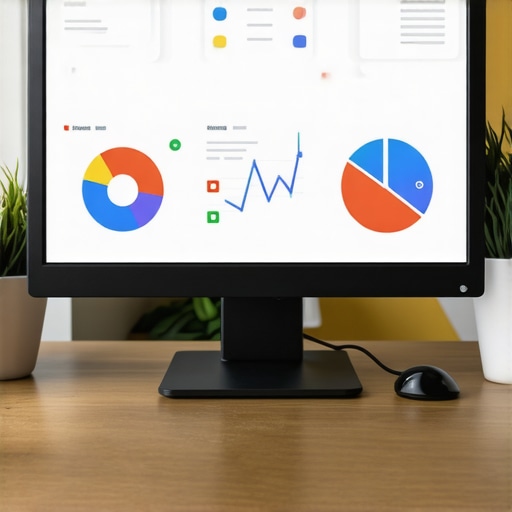
Photo of a workspace with digital SEO tools open on monitor, symbolizing ongoing GMB management. Alt: Workspace with SEO analytics tools. Title: Essential Tools for GMB Maintenance.
The Hardest Lessons I Learned About GMB Exposure, Visibility Service, Map Pack Improvement, Maps Visibility, GMB Boost Services
One of the most eye-opening realizations I had was that none of the quick-fix tactics, like purchasing cheap reviews or automating responses, can substitute for genuine engagement and strategic optimization. In 2026, Google’s AI filters are smarter than ever, and superficial signals lead to penalties rather than rankings. Understanding that authenticity outweighs volume was a game-changer for me—now I focus on building real community trust rather than chasing after easy wins.
The Power of Continuous Evaluation over Guesswork
Another lesson was the importance of regularly auditing my efforts, rather than setting and forgetting. Tools like comprehensive audits revealed hidden weaknesses early, allowing me to pivot before losses became critical. Staying data-driven keeps the strategy agile, which is essential in a landscape dominated by rapidly evolving AI filters.
The Impact of Community-Centered Strategies
Finally, I discovered that true resilience in local SEO comes from deep community ties—local backlinks, participation, and authentic engagement. Relying solely on algorithms is risky; people trust businesses that contribute meaningfully to their surroundings. Cultivating these relationships accelerates stable, long-term exposure that AI filters can’t easily diminish. For proven tactics, explore expert local SEO tips.
My Essential Toolkit for Local Map Visibility
Over the years, several tools have become indispensable for maintaining and enhancing GMB presence. I trust boost services for authentic review management, citation building tools like Whitespark, and profile optimization platforms. These tools help me stay consistent and adaptive, ensuring my efforts are scalable and resilient in 2026’s AI-driven environment.
Embrace the Challenge and Keep Moving Forward
The landscape of local SEO in 2026 is complex but manageable with the right mindset. Persistence, continuous learning, and authentic community engagement are your best allies. The more proactively you adapt to algorithm shifts, the more your GMB visibility will thrive—not just for today, but well into the future. What’s the one strategy you believe is crucial for long-term success in local SEO? Share your thoughts below and keep pushing forward.
Ready to take your GMB game to the next level? Visit here for personalized guidance or check out our detailed map pack improvement strategies. Don’t wait—your local market share is just a click away.