I remember the moment clearly — after months of pouring time and resources into my local SEO efforts, my Google Maps listing felt invisible. No matter how many keywords I targeted or reviews I accumulated, my business stayed stuck at the back of the pack. It was frustrating, a real wake-up call that I was missing something essential. That lightbulb moment led me down a path to discover the real 7 local signals powering visibility, beyond the usual tactics everyone talks about.
Cracking the Local Map Algorithm: Why It Matters More Than Ever
In the crowded local search space, understanding what genuinely influences your Maps visibility can mean the difference between thriving or just surviving. When I first started, I believed pure review counts and keyword stuffing would do the trick. Spoiler: they don’t. I learned that subtle signals — often overlooked — actually drive real, sustainable visibility gains. As local competition ramps up and Google’s algorithms become smarter, focusing on these signals is a game-changer. Internal metrics and case studies, like those shared by expert tips for local SEO success, prove that winners are those who optimize these hidden factors that Google values—intangibles that matter more than ever for your visibility journey.
Prioritize Google My Business Optimization
Begin with a comprehensive audit of your GMB profile. Ensure your business information is accurate, consistent, and optimized with relevant keywords, especially in the business description, services, and categories. Use tools like effective GMB boost services to enhance your visibility without risking penalties. Remember, a well-optimized profile acts as the foundation for all other signals.
Engage and Collect Authentic Customer Interactions
Harness the power of real customer engagement. Encourage genuine reviews by providing excellent service and politely requesting feedback. Focus on reviews that include relevant keywords naturally, as these are stronger signals to Google. I once implemented a review strategy, personally reaching out to loyal customers, which increased my review count and notably boosted my Map pack appearance. Avoid fake reviews or over-optimization, as these can trigger filters like signs of bot traffic. Authentic engagement is vital for long-term success.
Leverage Local Content and Hyper-Targeted Signals
Create location-specific content that resonates with your community. Regularly update your GMB posts with local events, offers, or news. Use keywords that reflect local intent, such as neighborhood names or landmarks. Visual cues like photos of your storefront or team can reinforce authenticity. An effective tactic involved showcasing local partnerships, which improved my presence in nearby searches. Complement this with hyper-local signals to improve relevance and proximity cues.
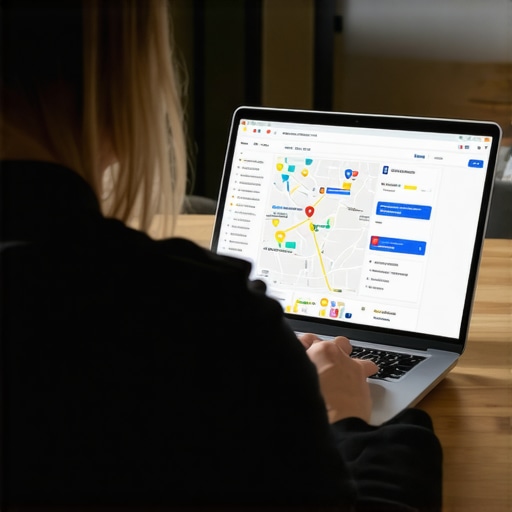
Illustration of a local business optimizing their Google My Business profile with street view photos, local keywords, and customer reviews to boost visibility.
Optimize for Voice and Visual Search Trends
With the rise of voice assistants and visual searches, ensure your content is optimized for these channels. Use natural language in your descriptions and FAQs, emphasizing local queries. Implement high-quality images and videos of your business, products, or services. I experimented with short, descriptive videos demonstrating my services, which improved engagement and search impressions. These signals are increasingly valued and can help you stand out in crowded map results.
Build Local Backlinks and Citations Carefully
Develop a backlink strategy focused on local directories, partnerships, and community engagements. Each citation and link adds authority, but quality matters more than quantity. Avoid spammy links or low-quality directories, which can harm your rankings. My experience involved reaching out to local blogs and chambers of commerce, which resulted in authoritative citations that boosted my Map pack ranking significantly.
Implement Technical SEO Best Practices
Ensure your website and GMB listing are technically sound. Use structured data markup for local business schema, optimize page load speeds, and ensure mobile-friendliness. These technical signals support your other efforts and can improve visibility. Tools like Google Search Console can help identify issues that might undermine your map ranking—addressing these can prevent artificial leaks or drops.
Monitor, Analyze, and Adjust Constantly
Use analytics to track which signals are performing well. Regularly audit your GMB profile and local content for consistency and relevance. Adjust your strategies based on data, prioritizing signals that align with Google’s evolving criteria. This dynamic approach prevents stagnation and keeps you ahead of competitors who rely solely on outdated tactics.
Many local SEO practitioners believe that optimizing a Google My Business (GMB) listing with keywords and quantity of reviews is enough to dominate the map pack. However, the real map pack success hinges on nuanced signals that are often overlooked — which can lead to costly misconceptions. For instance, a common myth is that aggressive review boosting or over-relying on paid “visibility services” guarantees sustained rankings. In reality, Google continuously updates its algorithm to prioritize authentic user engagement and genuine local signals, making shortcuts risky and unsustainable. An advanced mistake many make is underestimating the importance of behavioral signals like click-through rates, appointment conversions, and local content relevance, which directly influence your exposure. These signals are backed by studies such as Moz’s ranking factor analysis, which emphasizes user interaction metrics as critical for local search rankings. Relying solely on GMB optimization without addressing these subtle, high-impact signals is like tuning the engine but ignoring the compounding effects of driveability and driver behavior. To truly elevate your visibility, you must embrace a holistic approach, including strategic content, accurate NAP consistency, and authentic customer interactions. Failing to do so can trigger Google’s proximity and quality filters, leading to a decline in visibility despite heavy investment in boost services. Moreover, be wary of the trap where businesses invest in shady ‘GMB boost services’ promising quick wins; these can sometimes trigger spam filters or generate fake metrics, resulting in worse long-term visibility. Instead, focus on core strategies like optimizing for hyper-local signals, leveraging detailed structured data, and increasing genuine customer engagement. For example, creating community-specific content and updating your profile with local events can outperform generic optimization tactics. Reflect on your current approach: are you simply throwing money at tools, or are you leveraging these nuanced signals thoughtfully? The key to sustained success lies in understanding that Google’s local algorithm rewards authenticity and engagement over quick fixes. For a comprehensive guide on building resilient local visibility, check out our expert tips for local SEO success. And remember, avoid shortcuts that violate Google’s guidelines — your long-term growth depends on it. Have you ever fallen into this trap? Let me know in the comments.
How do I maintain GMB visibility over time?
Maintaining your local map presence requires consistent effort and the right set of tools. First, I personally rely on Google Search Console to track your website’s performance and identify issues that could impact local rankings. Regular audits ensure your NAP (Name, Address, Phone Number) consistency across citations, which is crucial for avoiding proximity filters. For ongoing GMB optimization, I recommend consulting expert tips for local SEO success to stay aligned with algorithm updates.
To stay ahead in the game, tools like BrightLocal help monitor reviews, citations, and local rankings, providing actionable insights that keep your profile optimized. Additionally, effective GMB boost services serve as a supplement to your routine checks, ensuring your visibility doesn’t dip due to algorithm shifts.
What tools do I recommend for long-term map pack success?
Beyond monitoring, automation tools like Whitespark’s Local Citation Finder streamline citation building, saving time while boosting local relevance. For local content updates, scheduling social media posts with tools like Buffer helps maintain active engagement, signaling your business’s vitality to Google. Also, considering direct engagement via tools like proven strategies for boosting GMB exposure can help keep your profile fresh and attractive.
Looking ahead, I believe AI-driven analytics will become pivotal in spotting emerging local trends and adjusting strategies accordingly. Integrating these insights will be key to scaling your local visibility effectively.
To cement your ongoing success, I suggest leveraging structured data markup, which enhances your search listings with rich snippets. Make use of Google’s local business schema to improve relevance and visibility. Remember, consistency and proactive updates are your best allies in this evolving landscape.
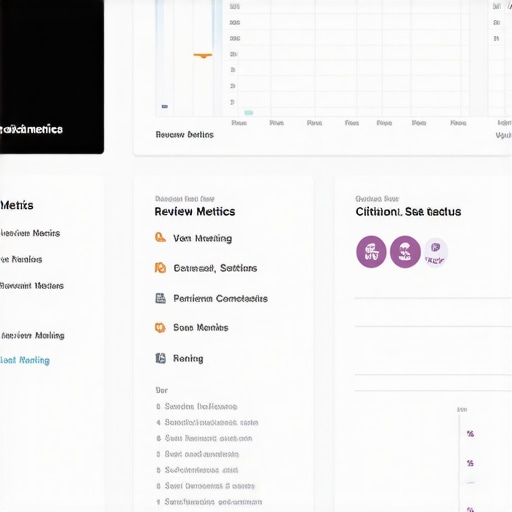
Visual overview of essential tools for maintaining Google Map visibility, including analytics dashboards, citation monitors, and content schedulers.
The Hardest Lesson I Learned About maps visibility,gmb exposure,map pack improvement,visibility service,gmb boost services
One of my most eye-opening realizations was that chasing quick fixes like over-optimized reviews or paid boost services often led to short-term gains, only to be followed by sudden drops in visibility. It taught me the importance of authentic engagement and building real customer trust, which Google rewards with sustained prominence. I also discovered that ignoring structured data and local signals was a costly mistake; these subtle cues, if properly leveraged, can exponentially boost your local presence. Additionally, I learned that complacency is your enemy—regular audits and updates are crucial as algorithms evolve constantly. The biggest lesson? Genuine, consistent efforts outshine shortcuts every single time, and understanding this changed my entire approach to local SEO.