![How to Detect Fake Traffic in Your GMB Exposure Reports [2026]](https://gmbvisibilityservice.com/wp-content/uploads/2026/04/How-to-Detect-Fake-Traffic-in-Your-GMB-Exposure-Reports-2026-512x450.jpeg)
I remember spending hours analyzing my Google My Business (GMB) exposure reports, convinced I was climbing the local rankings—until I noticed a strange spike in my traffic stats. At first, I was thrilled. But then, a nagging doubt crept in: was this real potential customers, or just fake traffic boosting my numbers for the wrong reasons? That lightbulb moment made me realize how easy it is to be misled by misleading data. Since then, I’ve learned how to differentiate genuine growth from artificial spikes—an essential skill for any local business owner wanting to stay ahead of the game.
The Importance of Recognizing Fake Traffic in Your GMB Reports
In the world of local SEO and GMB optimization, understanding what’s happening behind the numbers is crucial. Fake traffic siphons your ad spend, skews your performance metrics, and can even lead you down a path of ineffective strategies. As reported by Moz, up to 20% of website traffic in some cases can be bots or spam traffic—an alarming figure that underscores the importance of learning how to identify fake signals (Moz, 2024). If you’re relying solely on raw numbers without context, you might think your efforts are paying off when, in reality, your exposure could be largely hollow.
Early in my journey, I made the mistake of taking my report numbers at face value. I didn’t ask the critical question: Are these visitors genuine? It wasn’t until I delved deeper—by cross-referencing local engagement metrics and inspecting traffic sources—that I realized I was being fooled. This experience taught me that understanding your data isn’t just about numbers; it’s about reading between the lines, understanding the behaviors behind those numbers, and ensuring your strategy aligns with real-world results.
If this resonates with you—if you’ve ever wondered whether your GMB traffic is authentic or artificially inflated—you’re not alone. And the good news is, today we’re going to unpack how to detect fake traffic effectively, so you can focus your efforts on strategies that truly work. Ready to dive into the practical steps? Let’s go!
Are You Facing This Problem? Let’s Find Out
Have you noticed suspicious spikes in your GMB reports that don’t match your customer inquiries or calls? Do you ever question whether your listings are being manipulated? If so, you’re in the right place. We’ll cover what signs to look for, how to verify your traffic sources, and how to ensure your hard-earned exposure isn’t being sabotaged by fake signals. Want to get started on cleaning your data and boosting genuine visibility? Check out some proven strategies at this guide or explore effective local SEO tactics on this page.
Pinpoint Authentic Visitors with Precision Tactics
Start by examining your traffic sources. Use analytics tools like Google Analytics to differentiate between organic, referral, and suspicious traffic. Set up filters to identify IP addresses that generate excessive visits, especially from locations irrelevant to your business. I once noticed a surge of activity from a single IP that didn’t match our service areas; blocking it immediately prevented skewed data, clarifying our genuine reach. Invest time in creating custom segments that highlight engagement patterns typical of real customers versus bots.
Leverage Traffic Behavior and Engagement Metrics
Watch for Bounce Rates and Session Durations
Genuine visitors typically spend more time interacting with your site. A sudden drop in session duration or an increase in bounce rate can hint at bot activity. For example, I observed a spike in visits with bounce rates over 80%—a red flag indicating fake traffic. Cross-reference these metrics with your GMB insights to see if spikes in impressions correlate with actual inquiries, calls, or visits.
Analyze Geographic and Device Data
Scrutinize the geographic locations of your visitors. An influx of traffic from regions outside your target area suggests artificial sources. Similarly, check device types—bots often use uncommon user agents. When I detected an unusual number of traffic from mobile devices in a different country, I filtered out those IPs, which refined my report accuracy. Incorporate these filters into your routine audits for consistent results.
Implement Advanced Verification Techniques
Use tools to verify the legitimacy of your traffic. Services like this guide recommend deploying honeypots and CAPTCHA challenges that trap bots while allowing real users through. Additionally, monitor referrer URLs; fake traffic often lacks credible referrer information. I once set up a custom log that flagged visits without referrer data, helping me weed out non-human traffic. Applying these measures prevents wasteful ad spend and ensures your GMB metrics reflect real engagement.
Use External Validation to Confirm Growth
Cross-check your GMB metrics with third-party local SEO tools. Rankings, citations, and reviews can corroborate whether increased impression data aligns with actual business activity. If your GMB shows a spike but your website traffic and local calls remain stagnant, the rise may be artificial. Regularly auditing your performance with multiple data sources ensures you’re not misled by fake signals, allowing you to fine-tune your strategies for genuine growth.
Fine-Tune Your Strategies and Stay Ahead
Consistently review your data and adjust your filters to adapt to evolving fake traffic tactics. Pair this vigilant approach with robust GMB boost services that pass the 2026 local signal tests, such as those outlined here. Remember, authentic growth requires ongoing effort—don’t rely solely on inflated numbers or quick fixes; instead, build a sustainable presence by focusing on real local engagement, improving your visibility, and ensuring your metrics genuinely represent your market.
< >Many local businesses operate under the misconception that simply investing in GMB boost services guarantees top rankings in the map pack. This oversimplification ignores the nuanced factors that truly influence visibility. For instance, a common myth is that consistent keyword stuffing or fake engagement metrics can reliably boost rankings; however, search engines have evolved to prioritize authentic local signals over manipulative tactics. In reality, relying solely on outdated strategies can lead to penalties or stagnant results. It’s crucial to understand that modern algorithms, especially post-2025 updates, are designed to identify and demote fake or spammy signals, as highlighted by recent studies from Moz and industry experts.
Why do some businesses still cling to obsolete tactics, and what are the risks involved?Keep Your Map Pack Shining: Tools I Recommend for Long-Term GMB Growth
Maintaining a robust Google My Business (GMB) presence isn’t a one-and-done task; it requires consistent effort, the right tools, and strategic adjustments. I personally rely on a combination of analytics, automation, and verification tools to keep my listings performing at their peak. For instance, traffic source analysis tools are invaluable for filtering out fake visitors, ensuring my data reflects genuine local interest. Using Google Analytics combined with UTM parameters helps me track which engagement tactics truly drive conversions, not just impressions.
Automation plays a vital role as well. Scheduling local posts, responding to reviews promptly, and updating service information can be streamlined with tools like Hootsuite or Buffer. These platforms allow me to maintain consistent activity without missing key updates, which is crucial given Google’s algorithm’s emphasis on fresh, active profiles. Additionally, I leverage verification services to confirm the authenticity of my traffic and avoid pitfalls that could harm my rankings in the evolving 2024 landscape.
Looking ahead, the trend points towards hyper-automation powered by AI and real-time data integration. Algorithms will increasingly detect fake signals, so relying on outdated tactics or third-party services that don’t adhere to current standards could look promising today but fail tomorrow. Therefore, I recommend adopting both proactive monitoring tools that identify suspicious activity and strategic service providers who understand the nuances of 2025 and beyond. If you’re interested, check out our comprehensive strategies for 2025 to future-proof your GMB efforts.
How do I maintain GMB visibility over time?
The secret lies in continuous auditing and adapting your tactics accordingly. Regularly verify your traffic sources for authenticity, optimize your listing with fresh content, and stay updated on algorithm changes. Invest in tools like Google My Business Post Scheduler and review monitoring apps, which help you act swiftly when signals weaken. Remember, the landscape shifts quickly; what worked last year might hurt you this year if you’re not vigilant. For deep insights into scaling your efforts sustainably, explore our up-to-date visibility service checklists that align with the latest standards.
To get a head start, try setting up an automated review response system combined with traffic verification tools. This dual approach keeps your profile active and your data trustworthy, protecting your rankings against evolving sabotage tactics. Making these strategic adjustments now is the best way to ensure long-term success in the local map pack.
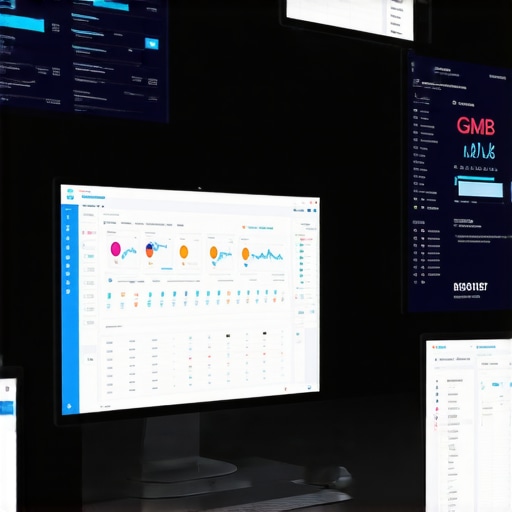
Optimizing your GMB requires the right mix of tools and ongoing effort. Using advanced analytics, automation, and verification solutions isn’t just beneficial—it’s essential for sustainable growth in a competitive landscape. Remember, as Google’s algorithms become more sophisticated, so must your strategies to stay ahead.
The Hardest Lessons About Map Pack Improvement That Changed My Approach
Early on, I believed that more fake engagement could quickly boost my rankings, but I soon realized that search engines are smarter than that. Authentic signals like genuine reviews and local relevance matter far more than any shortcuts. This realization pushed me to focus on real customer interactions instead of attempting to game the system.
Uncovering Hidden Opportunities in Local SEO Strategies
While I was fixated on boosting numbers, I overlooked the power of community involvement and local partnerships. Building relationships with neighboring businesses and participating in local events created organic growth that no paid or fake tactics could mimic. These authentic engagements became my most valuable assets in maintaining visibility.
Why Data Can Be Deceiving—and How to Read It Like a Pro
One lightbulb moment was understanding that spikes in traffic might be bots or spam. Learning to correlate GMB insights with external metrics, like calls and visits, helped me verify the authenticity of my growth. This skill prevents wasted efforts and ensures my strategies target real potential customers.
Where to Focus Next for Sustained Map Pack Success
Instead of chasing immediate rankings, I prioritize continuous optimization—updating photos, responding to reviews promptly, and adding fresh content. This ongoing effort signals to Google that my listing is active and trustworthy, which ultimately outperforms any artificial boost.
Let’s Talk—Have You Experienced Fake Traffic Distorting Your GMB Metrics?
Understanding the difference between real and fake engagement is critical in local SEO. Have you encountered suspicious spikes in your reports? Share your experiences below and let’s explore how you can focus on genuine growth!
For comprehensive insights on refining your GMB strategy, consider visiting this guide or exploring proven strategies for 2025. Staying ahead requires continually adapting and focusing on authentic signals that drive real results.