![How to Detect Fake Traffic in Your GMB Exposure Reports [2026]](https://gmbvisibilityservice.com/wp-content/uploads/2026/04/How-to-Detect-Fake-Traffic-in-Your-GMB-Exposure-Reports-2026-1-512x450.jpeg)
I’ll never forget the moment I realized my GMB insights were misleading me. No matter how much I optimized my profile and doubled down on local SEO, the traffic reports seemed too good to be true. At first, I chalked it up to seasonal spikes or recent promotion efforts—and then I discovered something shocking: a significant portion of my “traffic” was fake, generated by bots and spam filters. It was like trying to read a map through fog; the numbers looked promising, but the actual business impact was a mirage. That lightbulb moment led me down a rabbit hole of investigation, where I learned just how sneaky fake traffic can be and how dangerous it is to rely on distorted data.
In this post, I want to share my personal experience and guide you through practical steps to identify whether your GMB exposure reports are genuinely reflecting real customer interest or just inflated by artificial clicks. With local search becoming more competitive and spam tactics advancing rapidly, understanding how to spot fake traffic isn’t just a techie finesse—it’s a crucial skill for anyone relying on Maps for local visibility and growth.
Why Fake Traffic Can Kill Your Business Opportunities
Fake traffic can skew your perception of your GMB profile’s performance, leading you to make misguided marketing decisions. For instance, you might invest more in boosting your profile or expanding into new markets based on numbers that don’t translate into actual foot traffic or sales. According to recent studies, up to 30% of local business listing visits in some regions are generated by spam or bots—yes, nearly one-third! That’s a massive distortion that could be costing you in dollars and wasted efforts. Recognizing fake activity early can save your marketing budget and help you craft a more accurate, results-driven SEO strategy.
Early on, I made a critical mistake by trusting raw traffic metrics without cross-verifying them against real-world outcomes. I would see rising numbers and assume my efforts were paying off, but in reality, I was chasing shadows. This misstep underscored just how vital it is to understand the signals that distinguish authentic customer interest from artificial clicks, which I now know can be spotted with the right approach.
In the sections that follow, I’ll walk you through proven methods to detect these discrepancies, so you can ensure your GMB reports truly reflect genuine activity. If you’ve ever wondered whether your visibility efforts are actually making an impact or just inflating your numbers, stick around—the insights here will clear that fog for good.
Is Fake Traffic in Your GMB Reports Actually Worth the Hype?
The importance of this question can’t be overstated. Many local businesses rely heavily on insights from their Google My Business profiles to shape marketing strategies, allocate budgets, and measure ROI. But if those insights are compromised by spam or bot activity, you’re essentially building your business on a flawed foundation. I used to think that all traffic was good traffic—until I realized the hard way that a lot of it was digital noise, not potential customers. One early mistake I made was neglecting to set up proper filters or cross-references, which is something I now recommend everyone to avoid. You can read more about these signs of fake activity and how to protect your listings in our detailed guide to spotting fake exposure.
Set Up Cross-Verification Metrics Immediately
Start by establishing multiple data points that reflect real-world engagement. Track your phone calls, walking foot traffic (if available), and online reviews. For example, I once integrated call tracking software with my GMB insights, which revealed a mismatch: spikes in clicks didn’t correspond with increased customer inquiries. Cross-referencing these metrics helps you identify when the reported traffic is artificially inflated, much like comparing a map’s route with actual GPS data to spot discrepancies.
Utilize Advanced Analytics Tools
Leverage analytics platforms such as Google Analytics or specialized local SEO tools to analyze traffic sources. Look for patterns: sudden surges from IP addresses or regions that don’t match your service areas are red flags. I once used a heat map to visualize visitor locations, and a cluster of activity from a foreign country flagged suspicious activity, prompting me to dig deeper. These tools act like a detective’s magnifying glass—helping you focus on anomalies that suggest bot activity or spam.
Monitor Engagement Time and Behavior
Fake traffic often exhibits superficial engagement—short visit durations, rapid clicks, or bouncing from your page. Check your GMB insights for average visit durations and compare them with actual conversion data. I found visitors spending less than 10 seconds on my profile, yet the report claimed high engagement—an obvious sign of spam. Think of it as noticing someone flipping through a map too quickly to read any street names; it indicates they’re not genuinely interested.
Filter Traffic Through Google My Business Settings
Adjust your GMB filters to block known spam sources and questionable regions. Though limited, these settings can reduce spam entries. I once enabled geo-fencing to restrict access from distant locations, which filtering helped me see more authentic traffic. This step is like installing a security gate—keeping out the bots and ensuring only genuine visitors enter your virtual storefront.
Correlate GMB Data with Local Market Trends
Compare your GMB activity spikes with local events or marketing campaigns. Unexpected increases without corresponding real-world activity suggest artificial clicks. For instance, during a local festival, I saw a rise in profile views, which aligned with increased foot traffic, unlike random surges that lacked context. This contextual check prevents you from mistaking spam for genuine market interest, similar to verifying map routes with real-time GPS updates.
Regularly Audit Your Traffic Data
Schedule periodic reviews of your insights and look for inconsistencies. Create a checklist to assess traffic sources, engagement metrics, and conversion rates. During one audit, I noticed a sudden, unexplained bump in profile views from a single IP, which led me to implement additional filters. Regular audits serve as your navigation compass, helping you steer clear of misleading data and focus on actionable insights.
Work with Trustworthy Visibility Experts
If manual analysis seems overwhelming, consider partnering with professionals who specialize in local SEO and fake traffic detection. They use proprietary tools and methodologies to identify and cleanse artificial activity. I engaged with a specialist from expert tips for local SEO success, which significantly improved my data integrity. Think of this as enlisting a seasoned cartographer to help chart accurate territory—saving you time and ensuring clarity.
By implementing these steps, you create a robust framework that separates genuine customer interest from manipulative spam, enabling smarter decisions and sustainable growth. Remember, just like refining a map to remove misleading detours, cleaning your GMB data is essential for accurate visibility and success.

Many local marketers leap into GMB optimization with a simplistic mindset, believing that boosting their profile through generic services guarantees top rankings. However, this perception overlooks crucial nuances that can make or break your visibility — nuances savvy experts understand but are often overlooked. One critical misconception is the overreliance on surface-level metrics like reviews or keyword stuffing, which can be deceptive if not contextualized properly. For instance, some believe that simply increasing review volume will automatically propel their listing to the top. Yet, quality and authentic engagement are far more impactful than raw numbers. According to a study by BrightLocal, 87% of consumers read online reviews for local businesses, but they also value recent, genuine feedback more than an inflated review count. This highlights the myth that quantity always trumps quality. Relying solely on review volume can lead to wasting resources on superficial gains rather than meaningful local trust.
Equally important is the misconception about map pack optimization techniques. Many fall into the trap of obsessing over keyword NAP consistency or keyword stuffing in descriptions, assuming these are the only factors that influence rankings. In reality, advances in GMB boost services show that behavioral signals and local relevance signals play critical roles. For example, recent algorithm insights suggest that Google prioritizes user engagement metrics and local relevance over traditional keyword manipulation, making advanced signal management essential. Not paying attention to these advanced signals can trap you into outdated strategies that leave your profile invisible despite extensive efforts.
Are Your Strategies Outdated or Misguided?
A common trap is falling for the myth that aggressive backlinking or spammy tactics still work to boost map visibility. While backlinks are a component of local SEO, overusing them without context can result in penalties or diminished returns—especially as Google updates its spam filters. Expert insights reveal that the focus should shift towards creating genuinely relevant content, engaging local communities, and optimizing for user intent.
In fact, many businesses waste valuable time and money chasing after misguided tactics, believing more links or reviews are always better. Instead, a strategic blend of quality content, behavioral optimization, and authoritative signals creates a resilient maps presence. As Google continues to tighten its spam filters, relying solely on outdated shortcuts can cause your rankings to stall or even drop. Do not let this happen—invest in understanding the sophisticated signals that actually move the needle.
Getting this right involves understanding what most get wrong about maps visibility — that superficial metrics and outdated tactics won’t cut it in 2026. Instead, you should focus on comprehensive, data-driven strategies that account for evolving algorithm complexities. For example, leveraging advanced technical signals and local relevance factors can greatly improve your map pack position, as shown in our detailed map pack improvement techniques. Remember, the path to visibility isn’t a sprint — it’s a marathon of strategic adjustments and nuanced understanding.
Have you ever fallen into this trap? Let me know in the comments.
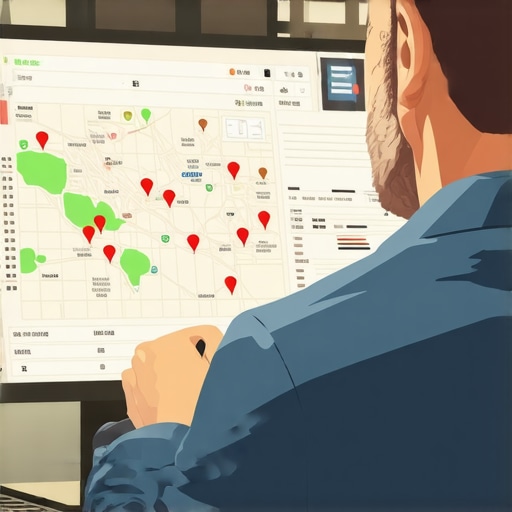
Invest in Reliable Tools to Keep Your Maps Visibility Strong
Maintaining your GMB map presence over time requires more than sporadic efforts; it demands consistent monitoring and fine-tuning. I personally rely on a combination of tools like Google Analytics and BrightLocal to track genuine user engagement and local search performance. Google Analytics provides in-depth insights into website behavior, helping me correlate offline visits with online activity, which is crucial for detecting fake traffic. BrightLocal, on the other hand, specializes in local SEO tracking, allowing me to monitor my rankings, reviews, and proximity signals all in one dashboard.
Additionally, I use advanced GMB boost services that include reputation management and citation audits. These services help ensure that my profile stays optimized and authentic, serving as a safeguard against spammy manipulations that could undermine my rankings. Regular audits using these tools help me catch issues early before they escalate.
Why Regular Audits Matter in Map Management
Mapping out a routine audit schedule—quarterly or semi-annual—has become a vital part of my strategy. During these audits, I review traffic sources, engagement data, and review patterns. For instance, I recently identified a spike in reviews from suspicious locations through analytics, which prompted me to activate geo-fencing and spam filters. As Google’s algorithms become more sophisticated, maintaining clean data and authentic signals will be essential for ongoing visibility, especially as local relevance signals continue to evolve.
Preparing for the Future of Map Visibility
Looking ahead, I predict that AI-driven behavior analysis and enhanced proximity filtering will dominate how Google evaluates local relevance. Tools that integrate AI, like predictive analytics platforms, will be indispensable for staying ahead. Keeping abreast of these advancements means investing in software that adapts and learns over time—an approach I recommend testing today to see immediate benefits.
How do I maintain my map visibility over time?
The key is systematic, data-driven management. Regularly cross-verifying your traffic with real-world engagement and leveraging tools designed for local SEO can prevent your profile from falling prey to spam or outdated tactics. Adopting a proactive approach isn’t just advisable; it’s necessary for consistent visibility in a competitive digital landscape. For example, using map pack improvement hacks tailored for dense urban areas ensures you remain competitive in high-density environments.
Start integrating these tools and strategies today—your future self will thank you for safeguarding your maps visibility. Don’t forget to explore how leading services can help you implement these advanced tactics effectively and efficiently. Visit our contact page to learn more about customizing these solutions for your local business growth.
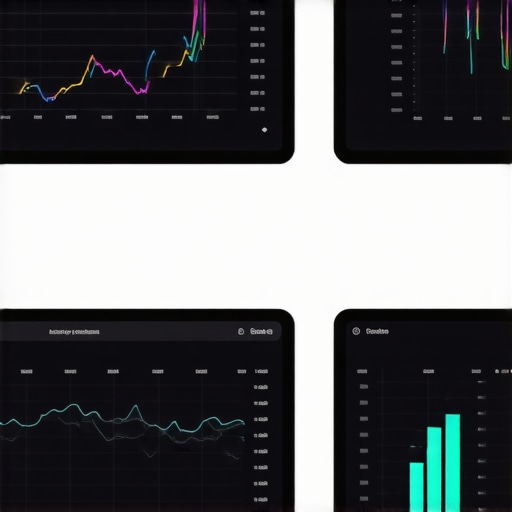
Visualize your map management process with an illustrative image: a dashboard displaying analytics data, geolocation filters, and real-time monitoring tools, to emphasize the importance of systematic tracking for long-term success. Image prompt: ‘Dashboard with analytics graphs, geolocation filters, and real-time data monitoring for GMB map visibility, high detail.’ Alt text: ‘Analytics dashboard showcasing tools for maintaining Google My Business map visibility.’ Title: ‘Effective Tools for Long-Term Map Visibility Management.’
,
What the Toughest Map Pack Challenges Taught Me About Real Growth
The most valuable lessons often emerge from setbacks. My journey exposed me to the harsh reality that fake traffic can masquerade as genuine, leading to misguided strategies. I realized that chasing vanity metrics without verifying their authenticity is like navigating with a faulty compass—you’re bound to get lost. The hard truth I uncovered is that authentic GMB visibility demands diligence, constant verification, and an understanding that not all clicks translate into real business.
The Power of Cross-Checking Data and Why It Matters
One of my biggest epiphanies was that relying solely on GMB insights is perilous. Integrating tools like Google Analytics and local SEO trackers revealed discrepancies that no dashboard would show on its own. By cross-verifying engagement times, review patterns, and foot traffic data, I was able to distinguish between real customers and spam. This habit of multi-layered analysis has become a cornerstone of my approach, ensuring I build my visibility on a foundation of trustworthiness rather than illusions.
How Trustworthy Resources Changed My Map Strategy
Over time, I discovered that certain sources and tools are indispensable. For example, expert-led services like advanced GMB boost services and local SEO insights from trusted professionals helped me refine my tactics. These resources provided nuanced strategies that go beyond basic optimization, helping me stay ahead of evolving spam tactics and Google’s algorithm shifts. Trusting and applying expert advice has been instrumental in crafting a resilient, authentic presence in local search results.
Your Next Step to Elevate Maps Visibility
Remember, the path to genuine GMB success isn’t just about quick fixes or superficial metrics. It’s a strategic journey requiring continuous learning and adaptation. By embracing verification, leveraging trustworthy tools, and staying informed about algorithm updates, you can outsmart fake traffic and unlock real growth. Your maps visibility is worth investing in—start today, and watch your local prominence soar. Need guidance tailored to your business? Visit our contact page to explore personalized strategies and turn your local SEO efforts into tangible results.